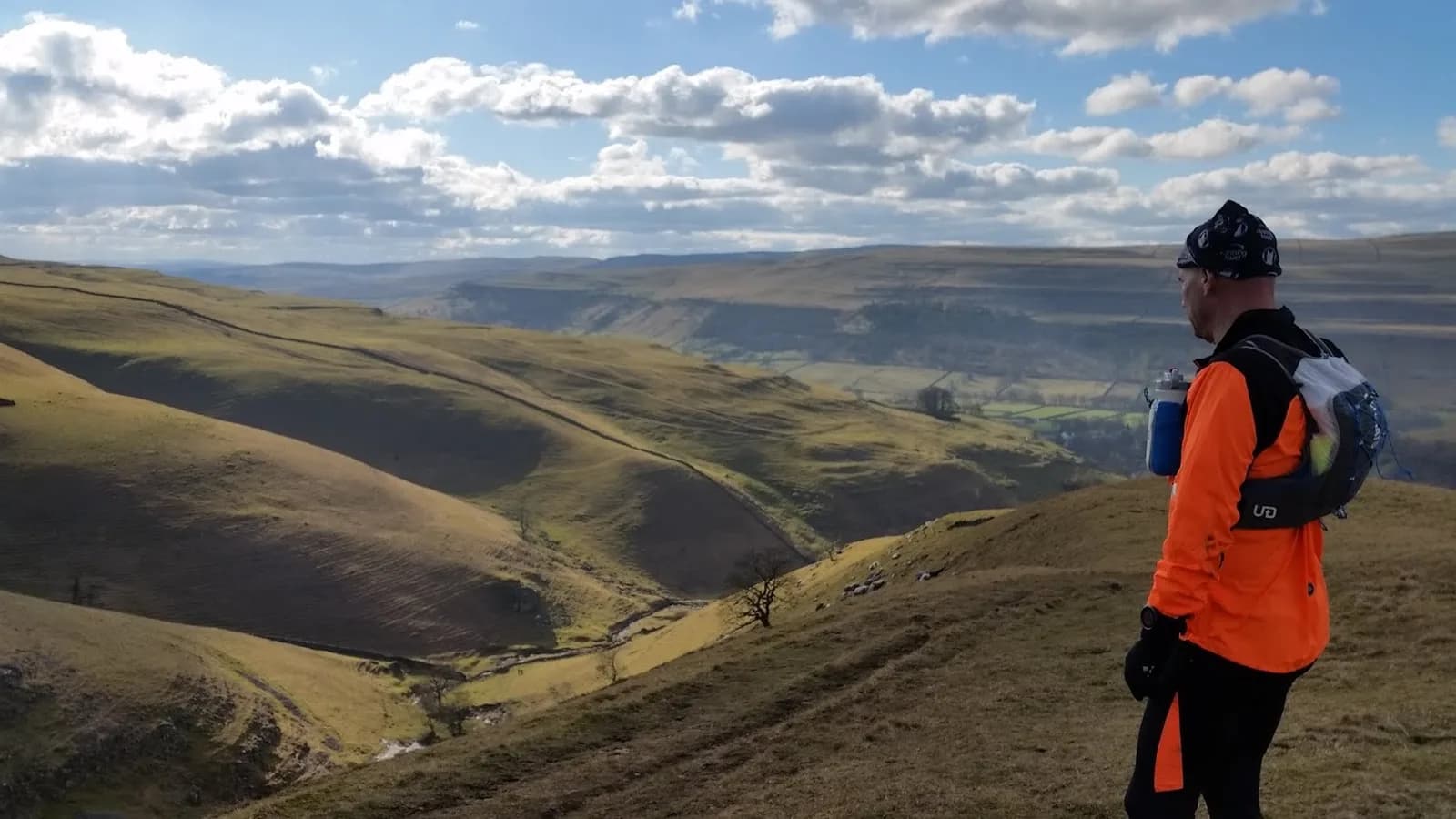
What Trail Running Shoes Do You Need for UK Trails?
A plain guide to choosing trail running shoes for UK terrain: mud, hard-packed trails, rock and bog. What lug depth and grip you actually need, by ground type.
What trail running shoes do you need for UK trails?
The honest answer is that no single shoe does everything well on UK trails. The ground here changes fast — a canal towpath, a hard-packed bridleway and a boggy fell top all want different things from a shoe. You don't need a rack of them, but you do need to match the shoe to the kind of ground you run most. Here's how to think about it, by terrain.
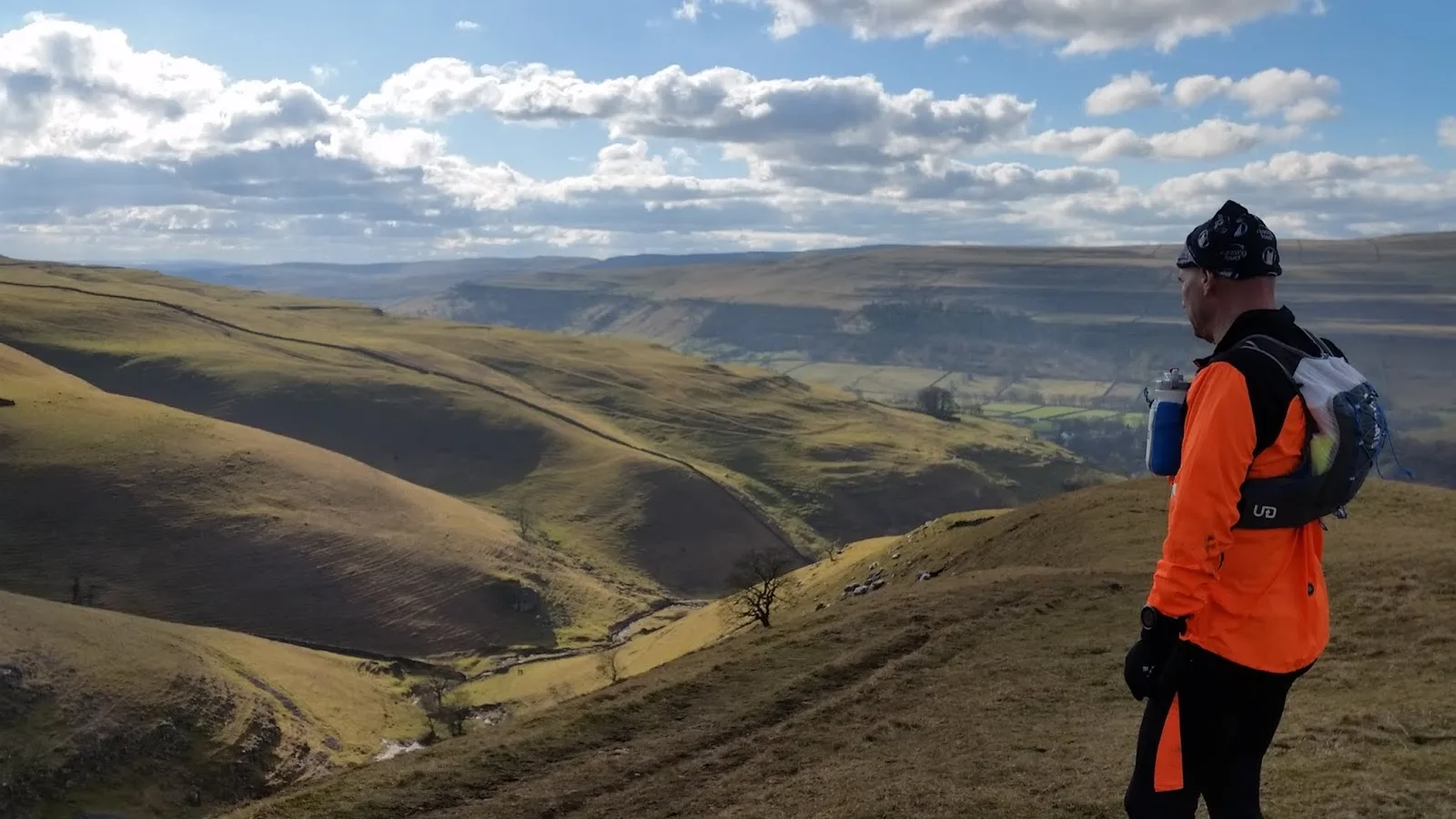
It comes down to lugs and grip
Two things separate trail shoes: lug depth (the rubber studs on the sole) and the grip compound. Deep, widely-spaced lugs bite into soft ground and shed mud; shallow lugs roll better on hard, dry trails and last longer. Soft, sticky rubber grips wet rock; harder rubber lasts longer on stone and track. Most other features — cushioning, drop, rock plates — are about comfort and distance, not grip, and come down to preference.
By terrain
| Terrain | What you want | Typical UK example |
|---|---|---|
| Canal towpath, park, hard-packed trail | A comfortable trail shoe, shallow lugs, durable rubber | Skipton Canal and Stirton |
| Mixed trail and grass | An all-round trail shoe, moderate lugs | Settle Loop |
| Rocky fell, dry ridges | Protection and sticky rubber for grip on stone | Coledale Horseshoe |
| Boggy moorland, wet grass | Deep, aggressive lugs that clear mud — a fell shoe | Wharfedale Three Peaks |
| Long ultra-style days | Comfort and cushioning over aggression | Kettlewell Ultra |
Hard-packed trails, towpaths and parks
If most of your running is on good ground — canal towpaths, surfaced park loops, dry bridleways — you want a comfortable trail shoe with shallow lugs and durable rubber. Deep lugs on hard ground just feel like running on studs and wear down fast. A road-to-trail or "door-to-trail" shoe is ideal here, and it doubles for the road sections that link a lot of UK routes.
Rocky fell and dry ridges
On the rocky fells — the Lake District ridges, the gritstone edges of the Dales — grip on stone matters more than mud clearance. Look for a sticky rubber compound and a bit of protection underfoot for sharp rock. Moderate lugs are fine; you're relying on the rubber, not the studs.
Boggy moorland and wet grass
This is where most runners get caught out. On wet UK moorland — Fountains Fell, the high Wharfedale tops, anything we describe as bog — you need a proper fell shoe: deep, aggressive lugs, widely spaced so they shed mud, and a snug fit so the shoe doesn't slide around on steep wet grass. Nothing else grips on a boggy descent, and a road-style shoe on that ground is genuinely unsafe.
Long days
For ultra-distance routes, comfort beats aggression. Over many hours, cushioning and a shoe that doesn't rub matter more than maximum grip, unless the route is genuinely boggy throughout. Plenty of runners carry a spare pair for the second half of a really long day.
A note on kit
We only recommend kit we'd actually use, and we tell you when a link is an affiliate link — it never changes the price you pay, and it helps keep the route guides free with no GPX paywall. Match the shoe to the ground you run most, and check the terrain note on each route page before you head out.
FAQs
What is the best all-round trail shoe for UK trails?
An all-round trail shoe with moderate lugs handles the most common UK mix of hard trail and grass. If you mainly run boggy fell, choose a proper fell shoe with deep, aggressive lugs instead.
Do I need fell shoes for the Lake District and Dales?
For the boggy fell tops and steep wet grass, yes — deep lugs are the only thing that grips on a wet descent. For lakeside paths, towpaths and dry tracks, a normal trail shoe is fine.
What lug depth do I need for mud?
Deep, widely-spaced lugs — roughly 6mm or more — bite into soft ground and shed mud. Shallow lugs roll better on hard ground but slide on wet grass and bog.
Do I need to register to download GPX files?
No. Every GPX download on Trail Running Planet is free, with no account, no email gate and no paywall.
Pick a route to match your shoes
Browse routes by terrain and grade, or read how to choose the right trail running route.