
15 Trail Running Accessories That Are Genuinely Useful
Compare practical options for 15 trail running accessories that are genuinely useful. Honest UK trail-running advice, clear drawbacks and Amazon availabili
Affiliate disclosure: This article contains Amazon affiliate links. Trail Running Planet may earn a commission if you buy through these links, at no additional cost to you. As an Amazon Associate I earn from qualifying purchases.
The quick answer
A reliable head torch, a soft flask that fits your vest and a small emergency kit is our leading research pick. The right accessories depend on route, weather and duration. Start with safety and carrying water before buying convenience gadgets.
Trail running accessories should solve a real problem: seeing the ground, carrying water, preventing rubbing, navigating or dealing with an unexpected stop. You do not need all fifteen items on every run.
How these products were selected
Trail Running Planet has not completed a controlled field test of every product in this guide. The current rankings are research picks based on product design, practical trail use, manufacturer specifications, UK availability and public Amazon signals. Amazon review counts are treated as popularity indicators, not proof that one product is better.
Check current packaging before using any nutrition, battery, weight or compatibility figure to plan a race.
Comparison table
| Accessory | Why it matters | Best use | Typical Amazon search | Priority |
|---|---|---|---|---|
| Running head torch | Seeing and being seen | Night running and winter starts | Petzl ACTIK CORE or Silva Trail Runner Free | Essential after dark |
| 500ml soft flask | Carrying water without sloshing | Fits most race vests | HydraPak or Salomon | High priority |
| Anti-chafe balm | Preventing friction | Feet, thighs, underarms and vest edges | BodyGlide or Squirrel’s Nut Butter | High priority on long runs |
| Trail running poles | Long steep climbs | Carbon or aluminium folding poles | Leki or Black Diamond | Route dependent |
| Emergency bivvy bag | Unexpected stops | Lightweight heat-retaining shelter | Lifesystems or SOL | Safety item |
| Small first-aid and blister kit | Minor problems before they become major | Dressings, tape and blister patches | Lifesystems or custom kit | Safety item |
| Waterproof phone case | Navigation and emergency calls | Simple sealed pouch | Aquapac or equivalent | Weather protection |
| Portable charger and short cable | Long navigation days | Small 5,000–10,000mAh unit | Anker or Nitecore | Long-run item |
| Running belt | Short runs without a vest | Phone, key and one gel | FlipBelt or SPIbelt | Convenience item |
| Cap or visor | Sun, rain and sweat | Light quick-drying brim | Buff, Salomon or generic | Weather item |
| Buff or neck tube | Flexible warmth | Neck, hat, ear cover or sweat band | Buff Original | Versatile item |
| Trail gaiters | Keeping grit out of shoes | Low ankle cover | Altra, Salomon or Dirty Girl | Terrain dependent |
| Reusable collapsible cup | Cup-free aid stations | Small soft race cup | HydraPak SpeedCup | Race item |
| Whistle | Attracting attention | Pealess emergency whistle | Lifesystems or built into vest | Safety item |
| Dry bags or zip pouches | Organising kit | Small waterproof or water-resistant bags | Lifesystems, Exped or reusable zip bags | Organisation item |
Quick recommendation
Start with A reliable head torch, a soft flask that fits your vest and a small emergency kit if its use matches your route and budget. Buy one product or the smallest pack first, use it in ordinary training and note any problem with fit, taste, controls, texture or skin comfort before buying in bulk.
1. Running head torch
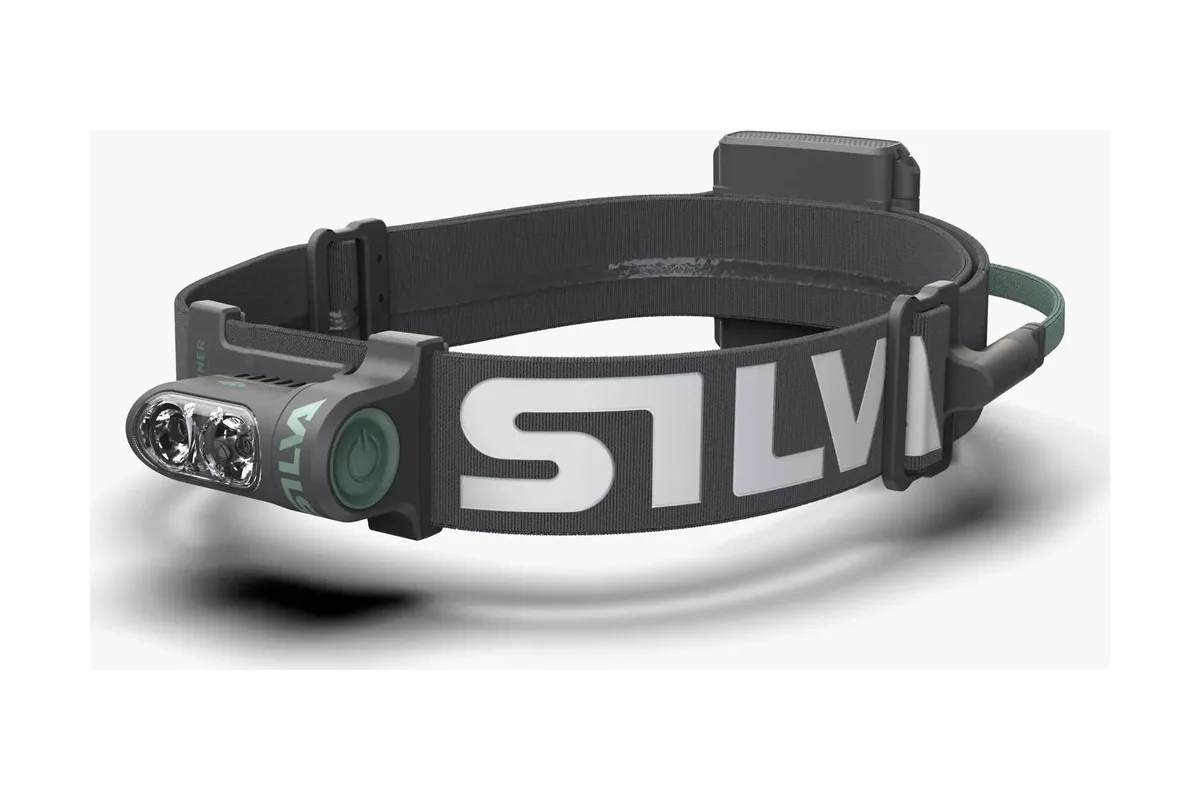
Seeing and being seen
- Key specification: Night running and winter starts
- Practical comparison: Petzl ACTIK CORE or Silva Trail Runner Free
- Format: Essential after dark
- Testing status: TRP research pick
A head torch needs a usable beam and enough battery for the whole route plus a margin. Carry a backup on remote night runs.
Good for: Winter training, early starts and ultras.
Watch out for: Do not choose by maximum lumens alone.
2. 500ml soft flask
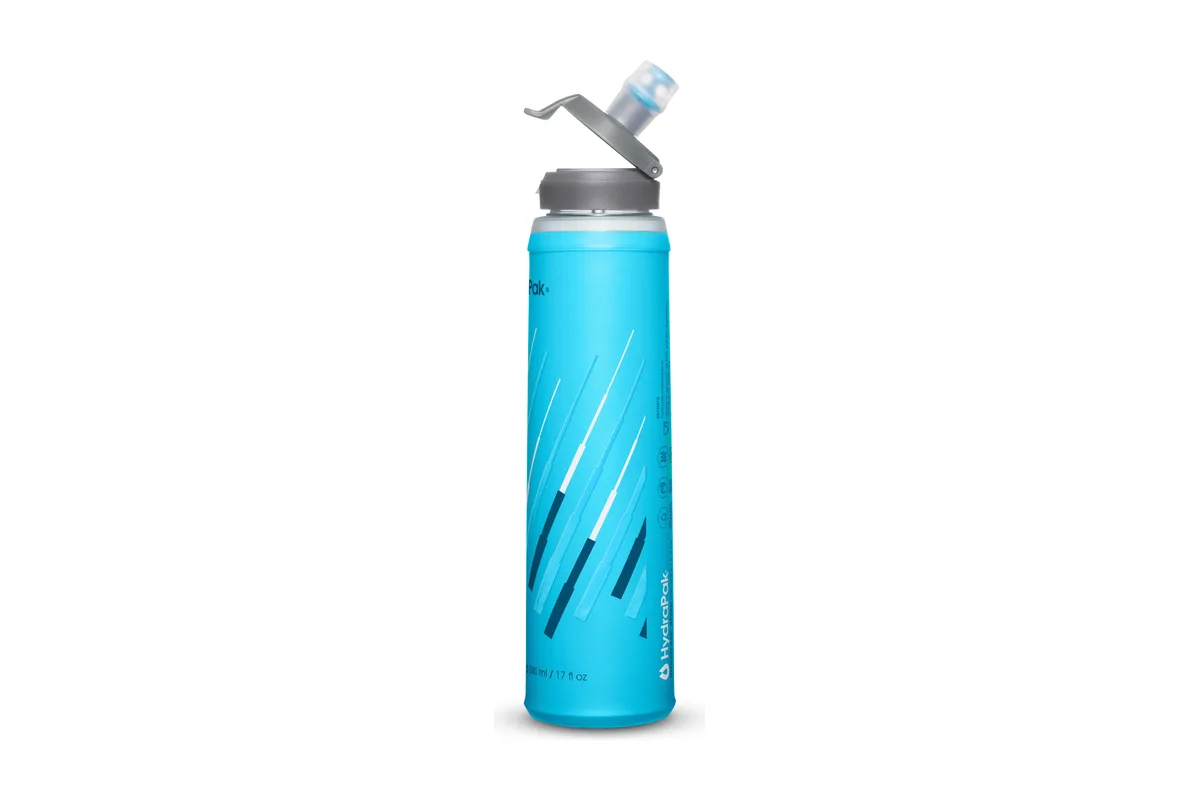
Carrying water without sloshing
- Key specification: Fits most race vests
- Practical comparison: HydraPak or Salomon
- Format: High priority
- Testing status: TRP research pick
A soft flask shrinks as you drink and sits close to the body. Choose the neck and straw shape that fits your vest.
Good for: Most runs longer than an hour.
Watch out for: Check for leaks and cap compatibility before race day.
3. Anti-chafe balm
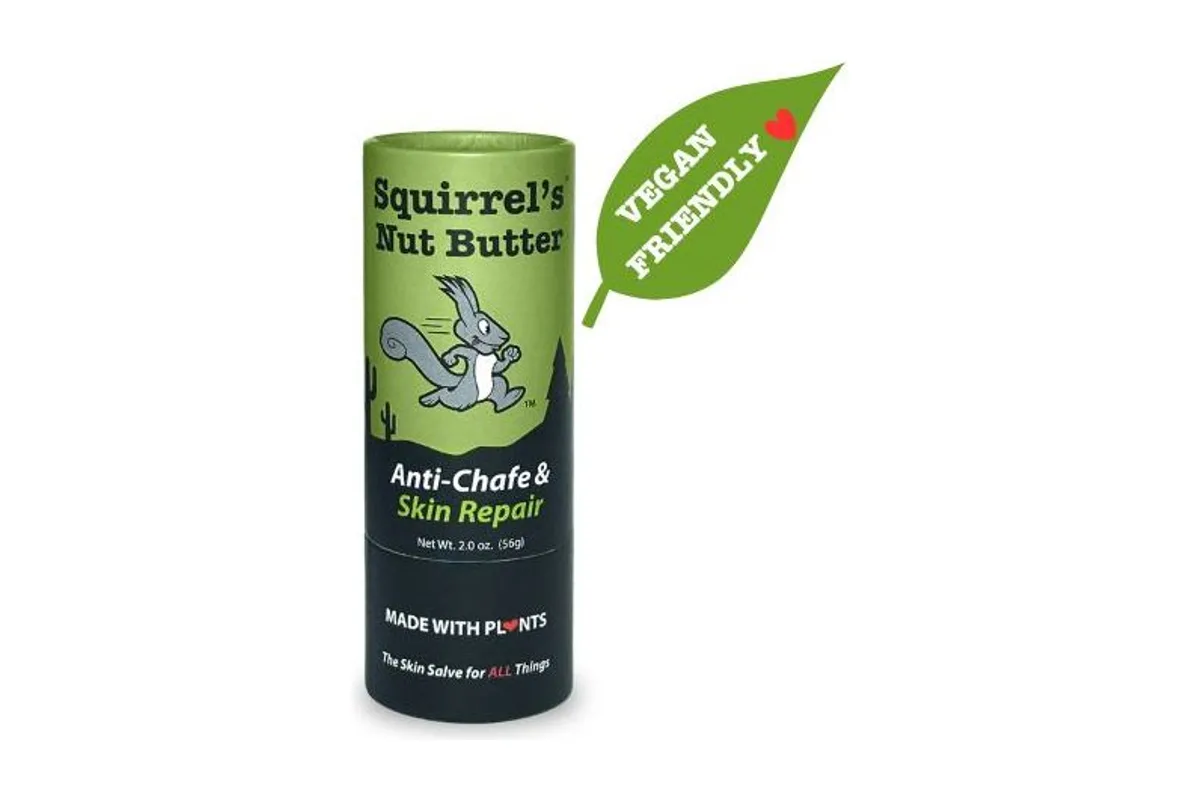
Preventing friction
- Key specification: Feet, thighs, underarms and vest edges
- Practical comparison: BodyGlide or Squirrel’s Nut Butter
- Format: High priority on long runs
- Testing status: TRP research pick
Apply before rubbing begins, especially in wet weather. A small stick in a drop bag can save a race.
Good for: Ultras, rain and warm weather.
Watch out for: Patch-test products on sensitive skin.
4. Trail running poles
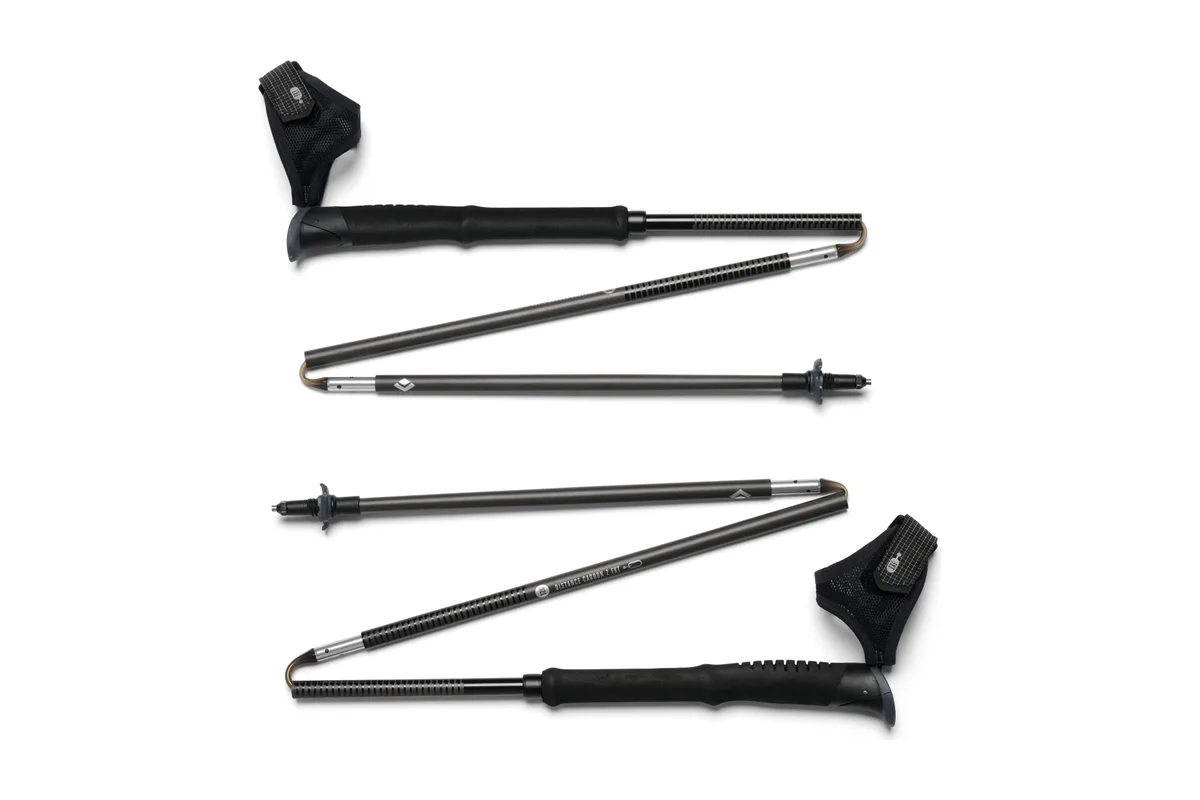
Long steep climbs
- Key specification: Carbon or aluminium folding poles
- Practical comparison: Leki or Black Diamond
- Format: Route dependent
- Testing status: TRP research pick
Poles help most on long sustained climbs and hiking-heavy ultras. They need practice and a carrying system.
Good for: Mountain ultras and steep routes.
Watch out for: Check race rules.
5. Emergency bivvy bag
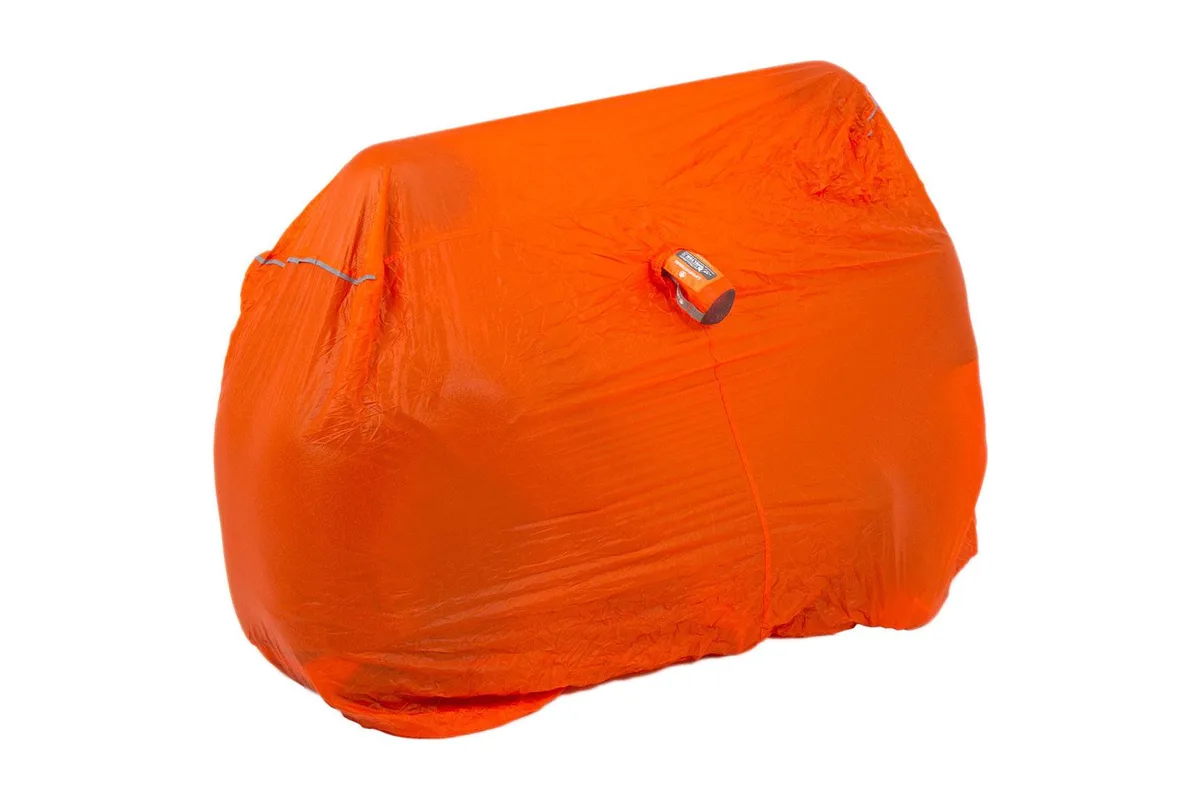
Unexpected stops
- Key specification: Lightweight heat-retaining shelter
- Practical comparison: Lifesystems or SOL
- Format: Safety item
- Testing status: TRP research pick
A bivvy provides more protection than a thin foil blanket when an injury or navigation problem leaves you stationary.
Good for: Remote routes and cold weather.
Watch out for: It is emergency equipment, not a substitute for suitable clothing.
6. Small first-aid and blister kit
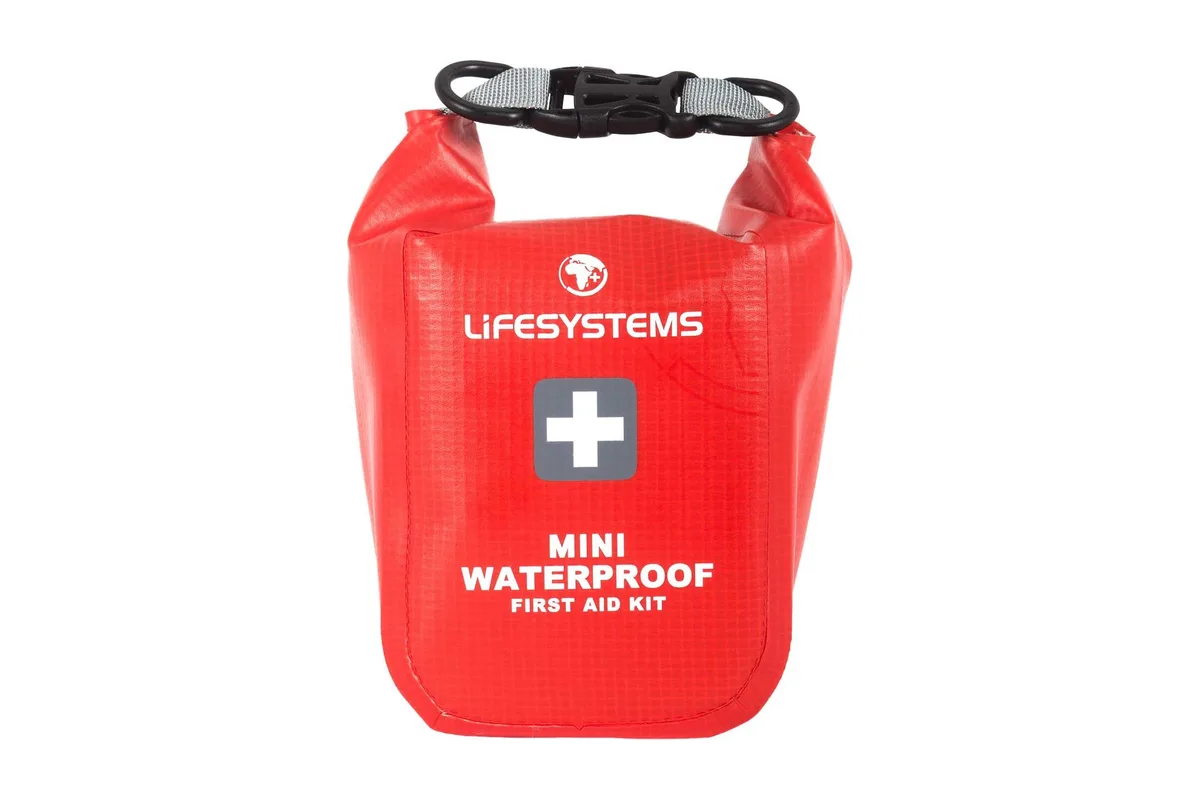
Minor problems before they become major
- Key specification: Dressings, tape and blister patches
- Practical comparison: Lifesystems or custom kit
- Format: Safety item
- Testing status: TRP research pick
Keep the kit small and relevant. Tape, a dressing, blister treatment and personal medication matter more than carrying a full household first-aid box.
Good for: Long and remote runs.
Watch out for: Know how to use what you carry.
7. Waterproof phone case
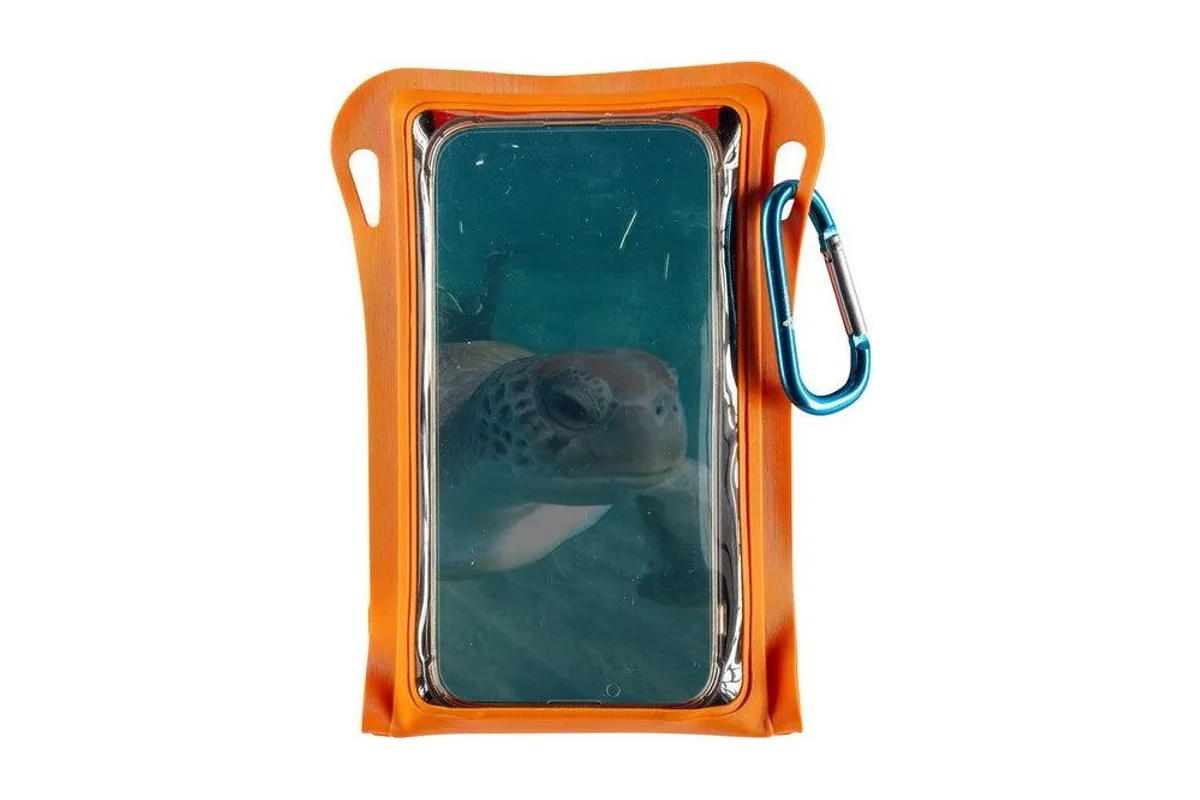
Navigation and emergency calls
- Key specification: Simple sealed pouch
- Practical comparison: Aquapac or equivalent
- Format: Weather protection
- Testing status: TRP research pick
Phones often fail when wet at the point they are needed most. A basic case also stops sweat entering charging ports.
Good for: Wet UK routes and river crossings.
Watch out for: Touchscreens can be awkward through thick cases.
8. Portable charger and short cable
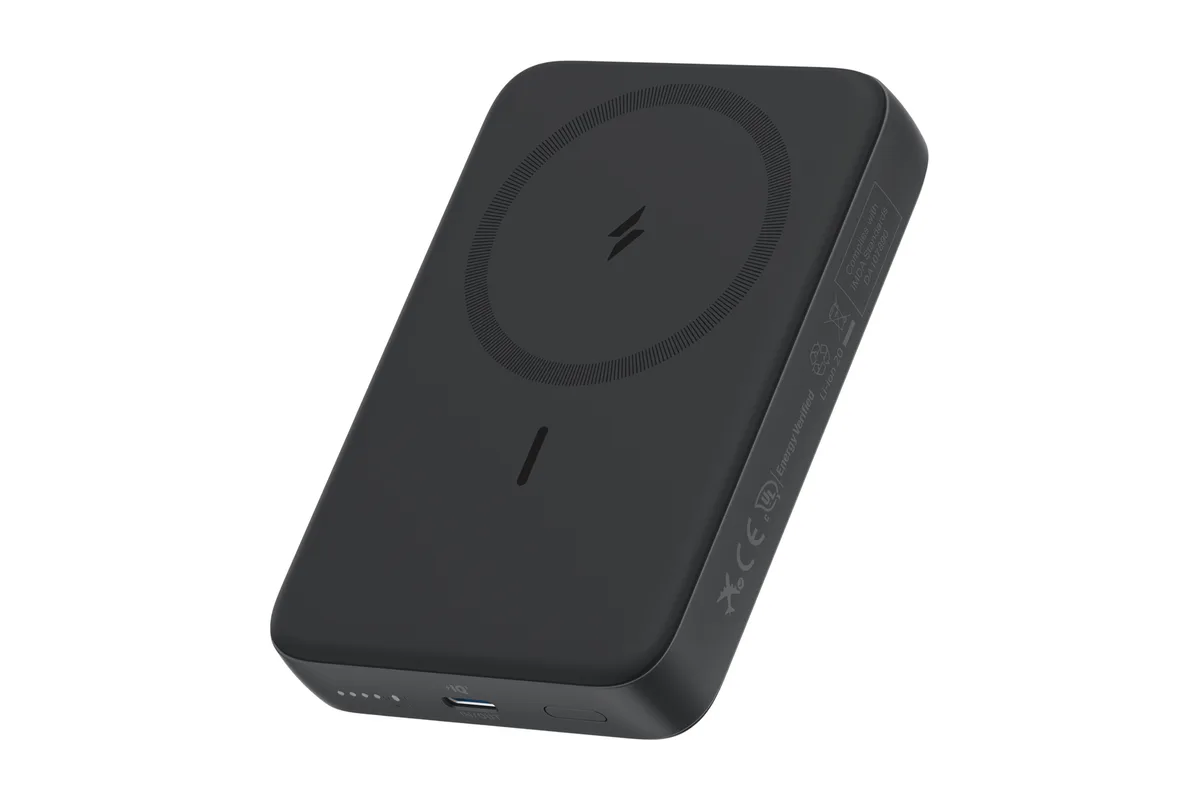
Long navigation days
- Key specification: Small 5,000–10,000mAh unit
- Practical comparison: Anker or Nitecore
- Format: Long-run item
- Testing status: TRP research pick
A compact charger can keep a phone or watch alive through an ultra. Use a short cable and keep both dry.
Good for: Ultras, challenges and route recording.
Watch out for: Cold and poor cables reduce effective capacity.
9. Running belt
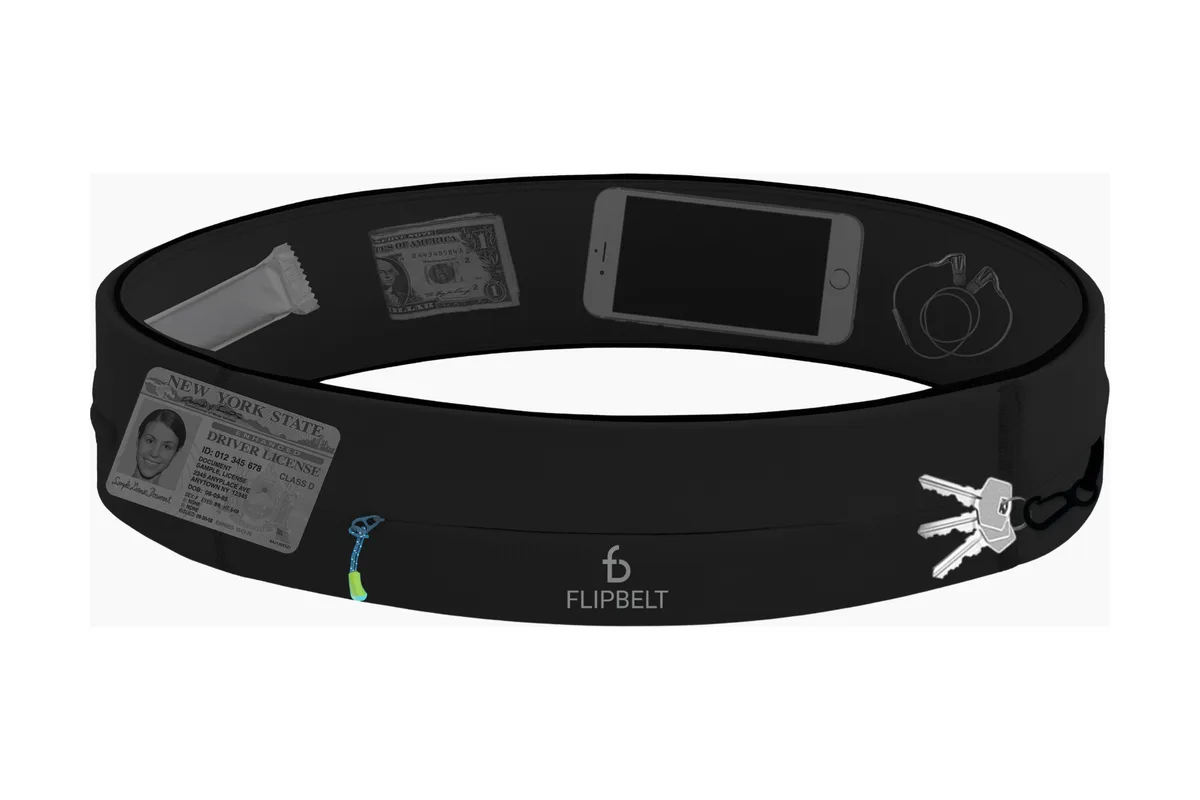
Short runs without a vest
- Key specification: Phone, key and one gel
- Practical comparison: FlipBelt or SPIbelt
- Format: Convenience item
- Testing status: TRP research pick
A belt is useful when a full vest is unnecessary. It should sit still when loaded and remain accessible.
Good for: Local trail runs and races with aid stations.
Watch out for: Do not overload it until it bounces.
10. Cap or visor
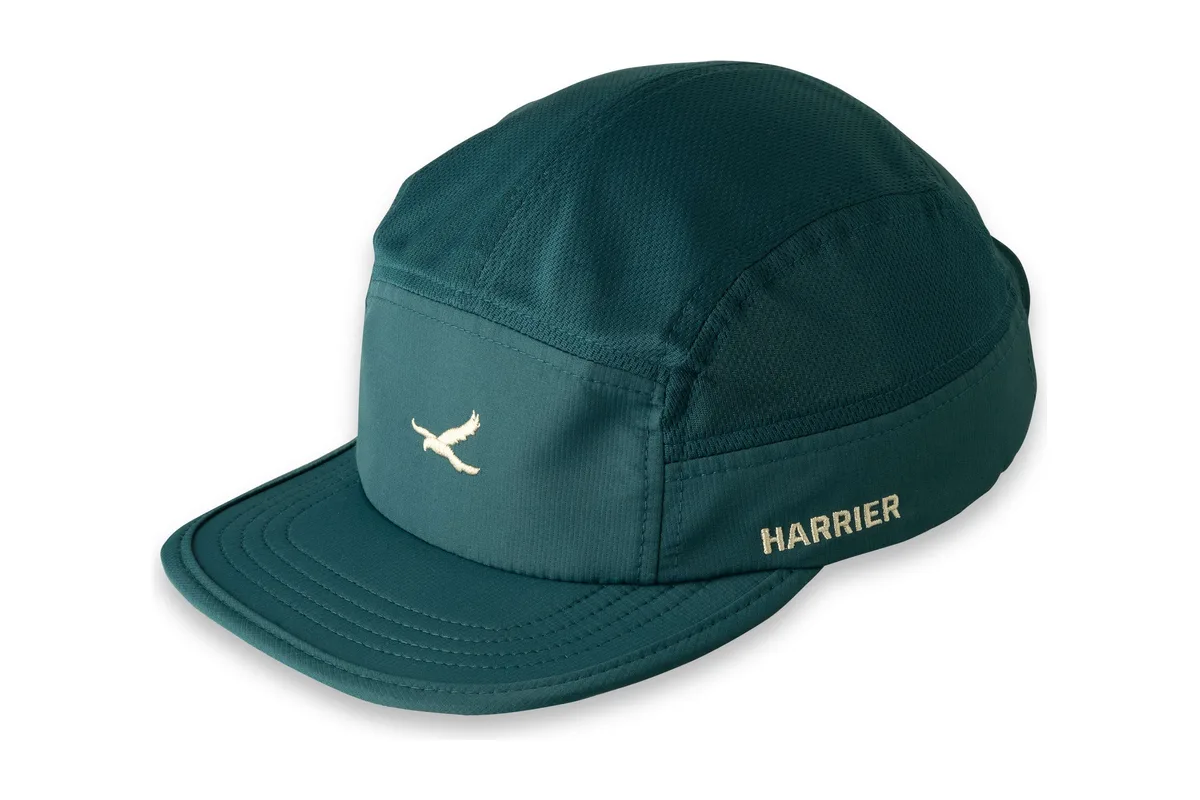
Sun, rain and sweat
- Key specification: Light quick-drying brim
- Practical comparison: Buff, Salomon or generic
- Format: Weather item
- Testing status: TRP research pick
A brim keeps rain out of your eyes and helps in bright sun. Choose something that works with your head torch.
Good for: Most UK weather.
Watch out for: Rigid peaks can interfere with some lamps.
11. Buff or neck tube
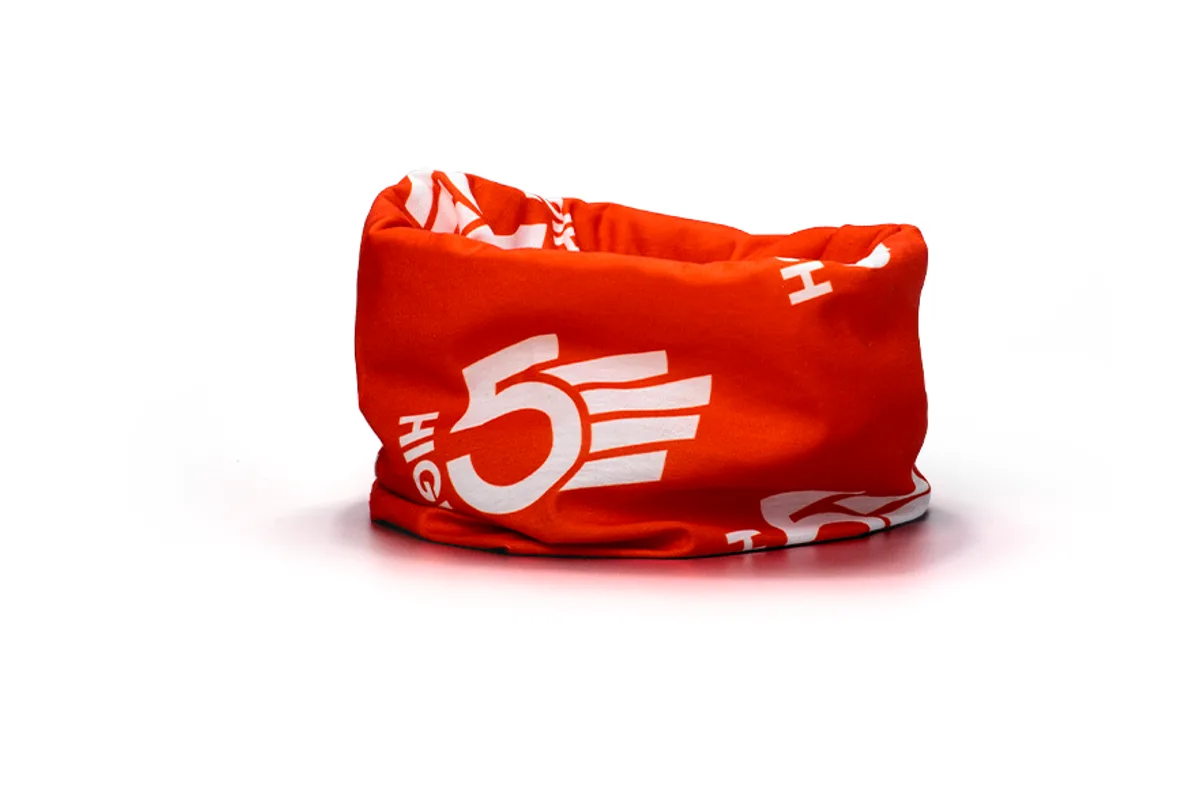
Flexible warmth
- Key specification: Neck, hat, ear cover or sweat band
- Practical comparison: Buff Original
- Format: Versatile item
- Testing status: TRP research pick
A neck tube is one of the most useful small items in changeable weather. It can also protect the neck from sun.
Good for: Wind, cold starts and mandatory kit.
Watch out for: A thin tube is not a replacement for a proper warm hat in winter.
12. Trail gaiters
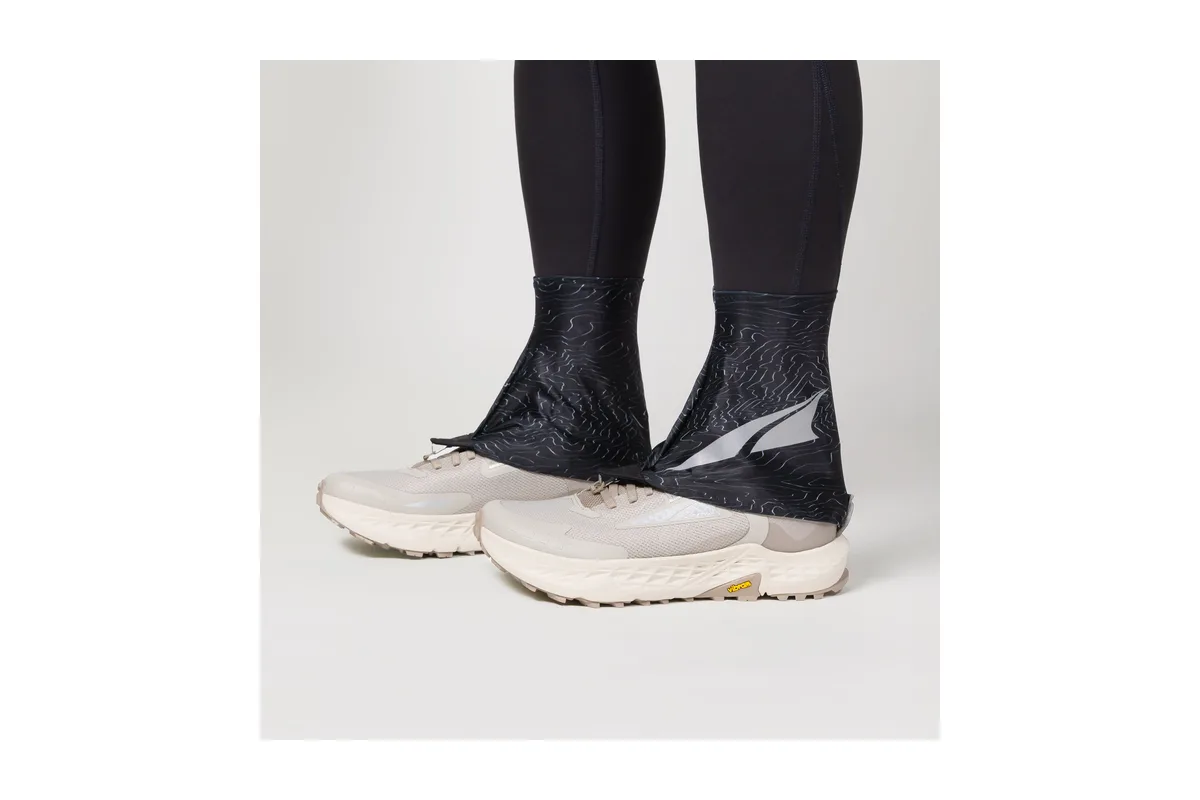
Keeping grit out of shoes
- Key specification: Low ankle cover
- Practical comparison: Altra, Salomon or Dirty Girl
- Format: Terrain dependent
- Testing status: TRP research pick
Gaiters help on sandy, loose or heather-heavy routes and can reduce repeated stops to empty shoes.
Good for: Long dry trails, scree and vegetation.
Watch out for: They do not make a non-waterproof shoe waterproof.
13. Reusable collapsible cup
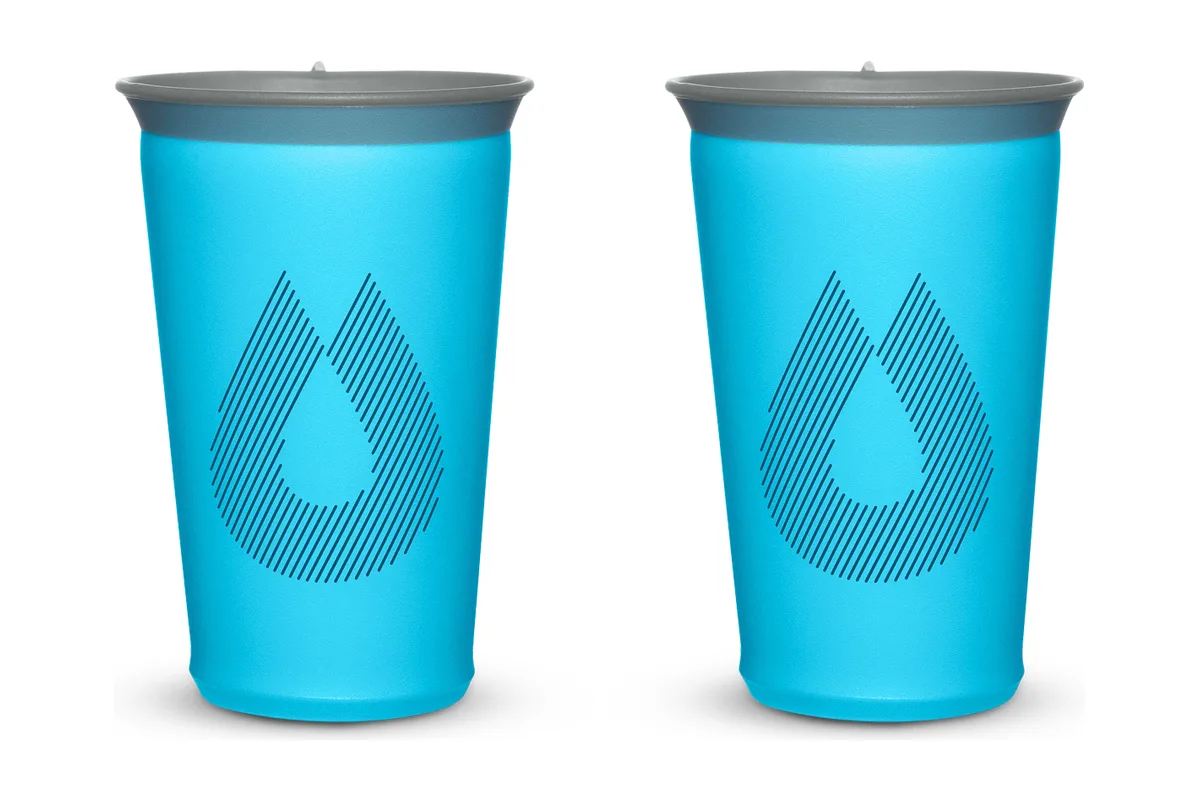
Cup-free aid stations
- Key specification: Small soft race cup
- Practical comparison: HydraPak SpeedCup
- Format: Race item
- Testing status: TRP research pick
Many trail races no longer provide disposable cups. A soft cup weighs very little and can live in the vest.
Good for: Ultras and races.
Watch out for: Practise opening it with one hand.
14. Whistle
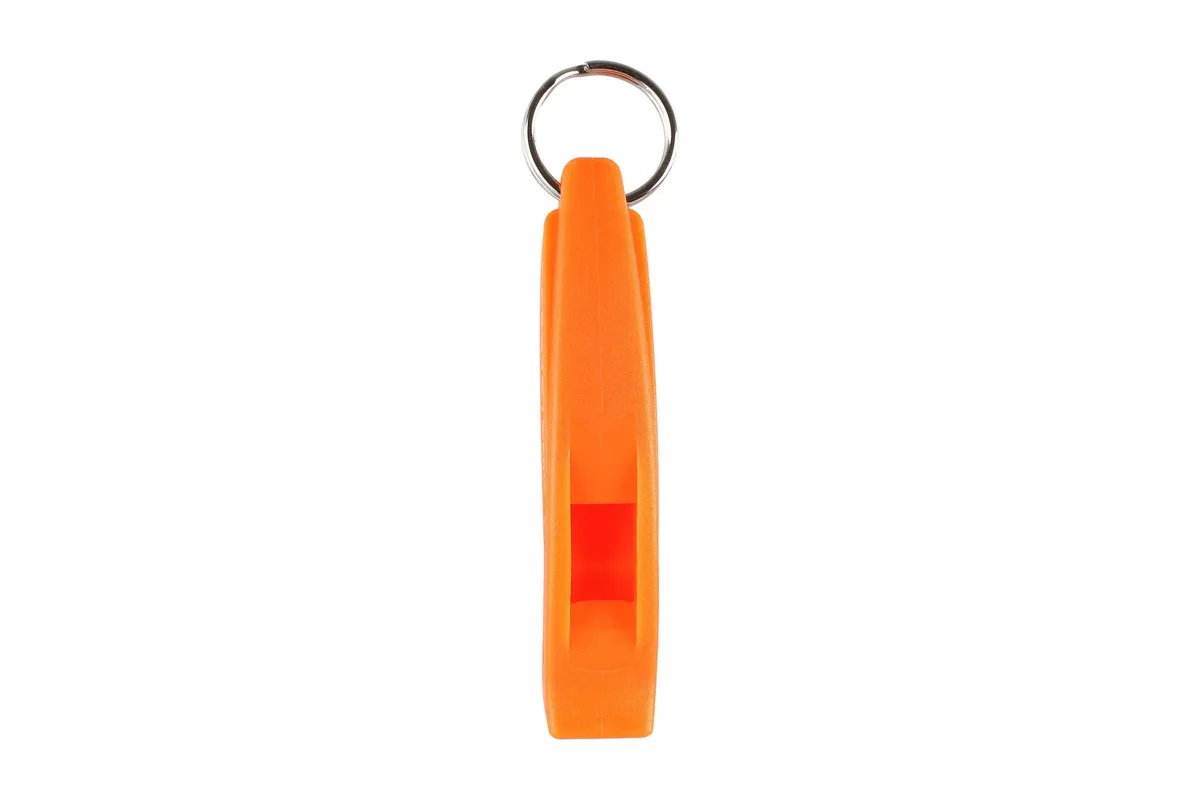
Attracting attention
- Key specification: Pealess emergency whistle
- Practical comparison: Lifesystems or built into vest
- Format: Safety item
- Testing status: TRP research pick
Many vests include a whistle. Check that it is still attached and loud enough before heading out.
Good for: Remote routes and mandatory kit.
Watch out for: Keep it accessible rather than buried in a rear pocket.
15. Dry bags or zip pouches
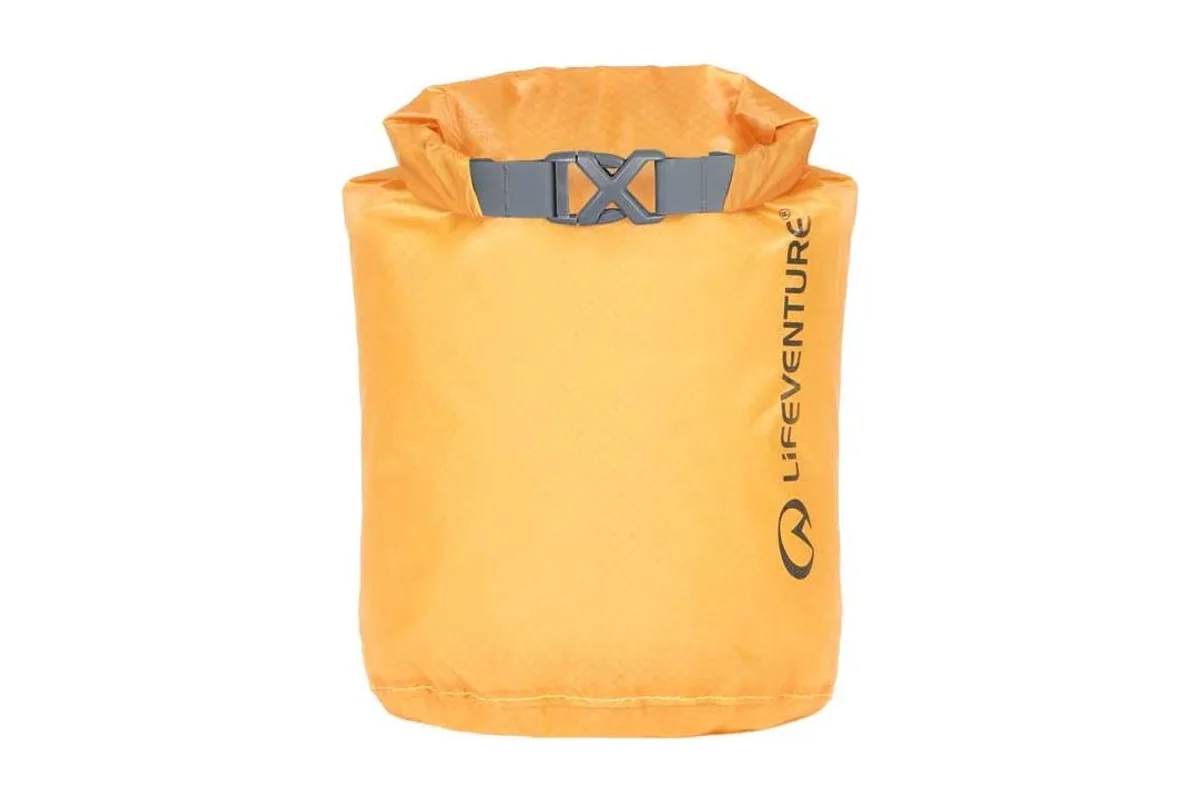
Organising kit
- Key specification: Small waterproof or water-resistant bags
- Practical comparison: Lifesystems, Exped or reusable zip bags
- Format: Organisation item
- Testing status: TRP research pick
Separate warm clothing, electronics, food and rubbish. Simple organisation matters when cold hands are searching a full vest.
Good for: Long wet runs and drop bags.
Watch out for: Water-resistant is not the same as submersible.
Start with the route
A local one-hour loop needs far less than a winter mountain day. Match kit to remoteness, weather, daylight, refill points and escape routes.
Safety before convenience
A charger, whistle and warm layer matter more than a gadget that saves a few seconds at an aid station.
Test the full system
Accessories interact. A flask may not fit the vest, a head torch may clash with the cap and poles may block access to food pockets. Run with everything together.
Avoid buying duplicates
Check what is already built into your vest, watch and phone. Many packs include whistles, pole loops and key clips.
How Trail Running Planet should field-test this category
A proper TRP update should record the conditions, route length and exact product version, then assess:
- Ease of use while moving.
- Performance after several hours in a vest or drop bag.
- Suitability in wet, cold and warm conditions.
- Whether the product solves the problem claimed.
- Any failure, irritation, stomach issue or compatibility problem.
- Value compared with a simpler alternative.
Until that testing is complete, keep the label research pick visible and do not publish a numerical TRP score.
Frequently asked questions
What accessories do trail runners need?
Most runners need a way to carry water, a phone, suitable lighting after dark and basic emergency equipment. The rest depends on route and conditions.
Do I need a trail running vest?
Not for every run. A belt or handheld flask can cover shorter routes. A vest becomes useful when carrying water, layers and emergency kit.
What should I carry on a two-hour trail run?
Usually water if needed, phone, small food supply, weather layer and basic emergency items. Adjust for remoteness and forecast.
Are running poles essential?
No. They are route-specific and most useful on long steep climbs or hiking-heavy ultras.
What is the most useful trail running gift?
A good head torch, soft flask or useful guidebook is safer than buying shoes or clothing in the wrong size.
Should I buy cheap trail running accessories?
Simple items can be cheap. Spend more where failure has consequences, such as lighting, waterproofing and critical carrying systems.
Final verdict
A reliable head torch, a soft flask that fits your vest and a small emergency kit is the current leading research pick. The right accessories depend on route, weather and duration. Start with safety and carrying water before buying convenience gadgets.
The right choice depends on the route, weather, duration and the rest of your kit or nutrition plan. Test it before relying on it in a race or remote area.